You found the house, the offer was accepted and the inspector’s report is back. It probably says something short about the chimney, like “appears serviceable.” That one line is where many buyers inherit a five figure repair.
Why the standard home inspection falls short
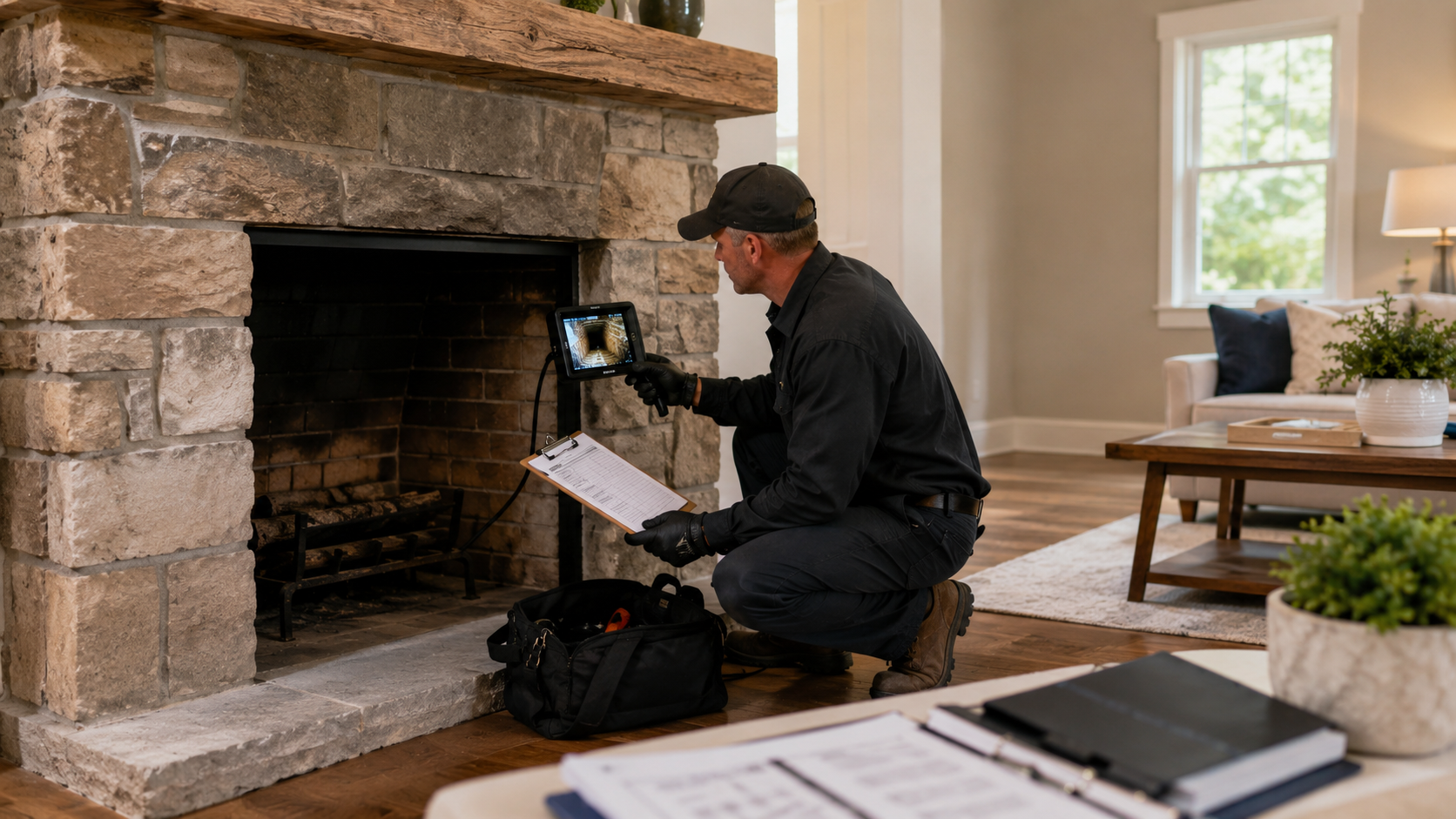
A general inspector looks at what can be seen from the firebox and the ground. The inside of the flue, where cracks, creosote and damaged liners hide, usually needs a camera and a certified chimney technician. The CSIA describes this deeper look as a Level 2 inspection, and it is the one lenders and insurers expect after a property sale.
What buyers commonly find
- Cracked or missing flue liners in older Long Island and Hudson Valley homes
- Water entering through failed crowns and flashing
- Fireplaces that were converted or sealed without proper venting
- Heavy creosote left by previous owners
How it changes your negotiation
| Finding | Options at closing |
|---|---|
| Minor sealing or cap work | Ask for a repair credit |
| Liner replacement needed | Negotiate price or seller repairs |
| Unsafe, unrepairable flue | Walk away or cap the fireplace |
| Clean report | Keep it for insurance and resale |
Read our guide on why inspections matter before buying a New York home for the longer version, and see what a Level 2 inspection includes.
Questions buyers ask
Is it worth it if I will not use the fireplace? Yes. The flue may still serve your furnace or water heater, and defects affect safety either way.
Who pays? The buyer usually orders it, but findings can support a request for repairs.
Why the Chimney Matters in a Home Sale
Buyers and lenders in New York increasingly ask about chimneys because a failed flue can be a fire and carbon monoxide hazard and can cost thousands to repair. A standard home inspector looks at what is visible from the firebox and the roof, but cannot see the inside of the flue. A Level 2 inspection with a camera shows whether the liner is intact and whether it is safe to use.
What a Level 2 Inspection Covers
- Video scan of the entire flue, from firebox to cap
- Inspection of the smoke chamber and damper
- Attic, basement and crawlspace views of the chimney where accessible
- Checks for clearance to combustible materials
- Measurement of flue size against the appliance
Using the Report in Negotiation
A written report with photos lets a buyer ask for repairs, a price credit or an escrow holdback. Sellers can also commission an inspection before listing to avoid surprises and keep the sale moving.
Red Flags to Watch For
- Cracked or missing flue tiles
- No liner in a chimney that serves gas or oil heat
- A fireplace that has been sealed or converted without a proper vent
- Heavy creosote glaze
- Water damage around the chimney in the attic
Timeline
Order the inspection during the contingency period. Most Level 2 inspections can be scheduled within a few days and the report delivered the same day.
Frequently Asked Questions
Is a chimney inspection required to close
Not always, but lenders and insurers sometimes ask for one, and buyers should request it.
Who pays for it
The buyer usually orders it, but sellers can also provide one.
What if the chimney fails
Negotiate repairs, a credit, or walk away if the cost is too high.
Local Help and Related Reading
Our crews handle chimney repair in Brooklyn, chimney repair in Queens, the Bronx, Huntington and Yonkers. See every town on our service areas page or visit our services.
More to read: The Real Cost of Skipping Your Chimney Inspection Before Winter, Chimney Draft Problems: What Changes When the Temperatures Drop, Chimney Crown and Cap Damage: What Fall Storms Leave Behind in New York.
For wider guidance, see the EPA Burn Wise program and the U.S. Department of Energy. New Yorkers can also check NYSERDA for state energy resources.