
A chimney inspection matters before buying a home because many chimney problems stay hidden during a regular home inspection. In New York real estate, buyers often focus on the roof, HVAC system, septic tank, and other building components, but the chimney system can be missed until damage is already expensive. Creosote buildup, water entry, liner cracks, and fire hazards may not show up from the ground. If those issues are ignored, they can lead to carbon monoxide exposure, chimney fires, and major chimney repairs after closing. For buyers, that means surprise costs, safety concerns, and difficult negotiations right after moving in.
A chimney inspection is a focused evaluation of the chimney flue, flue liner, smoke chamber, chimney crown, chimney cap, mortar joints, and other chimney components that affect safe venting. A general home inspector looks at the house as a whole, but even the International Association of Certified Home Inspectors standards explain that a regular home inspection is generally limited to visible and readily accessible areas. That matters because many chimney defects are inside the flue system and cannot be confirmed without better inspection equipment. For New York buyers, a separate chimney service helps uncover hidden fire risk, structural damage, and moisture intrusion before the sale is final.
A Level 2 inspection is the inspection most often recommended during a real estate transaction because ownership is changing and the full condition of the chimney system needs closer review. Under NFPA 211 Standard guidance, a Level 2 Chimney Inspection goes beyond a Level 1 inspection by checking accessible parts of the chimney and using a video scan or camera system to examine interior surfaces. That process helps a chimney professional spot flue lining problems, carbon monoxide leaks, hidden structural issues, and signs of water damage. For buyers, that means clearer answers before closing and a stronger inspection report when repair decisions need to be made.
A Level II chimney inspection usually includes everything in a Level 1 Chimney Inspection, plus video scanning equipment that looks inside the chimney flue walls and hidden sections of the venting systems. The inspector may use a camera scan, digital views, and other video equipment to review the flue liner, smoke chamber, heating flue, chimney chase, and other hard-to-see areas. This matters because chimney masonry repair needs are often hidden from plain sight. If the inspection finds creosote buildup, water leaks, liner cracks, or structural damage, the buyer can request chimney cleaning, masonry repairs, or other chimney repairs before closing. That protects the buyer from taking on fire hazards they did not cause.
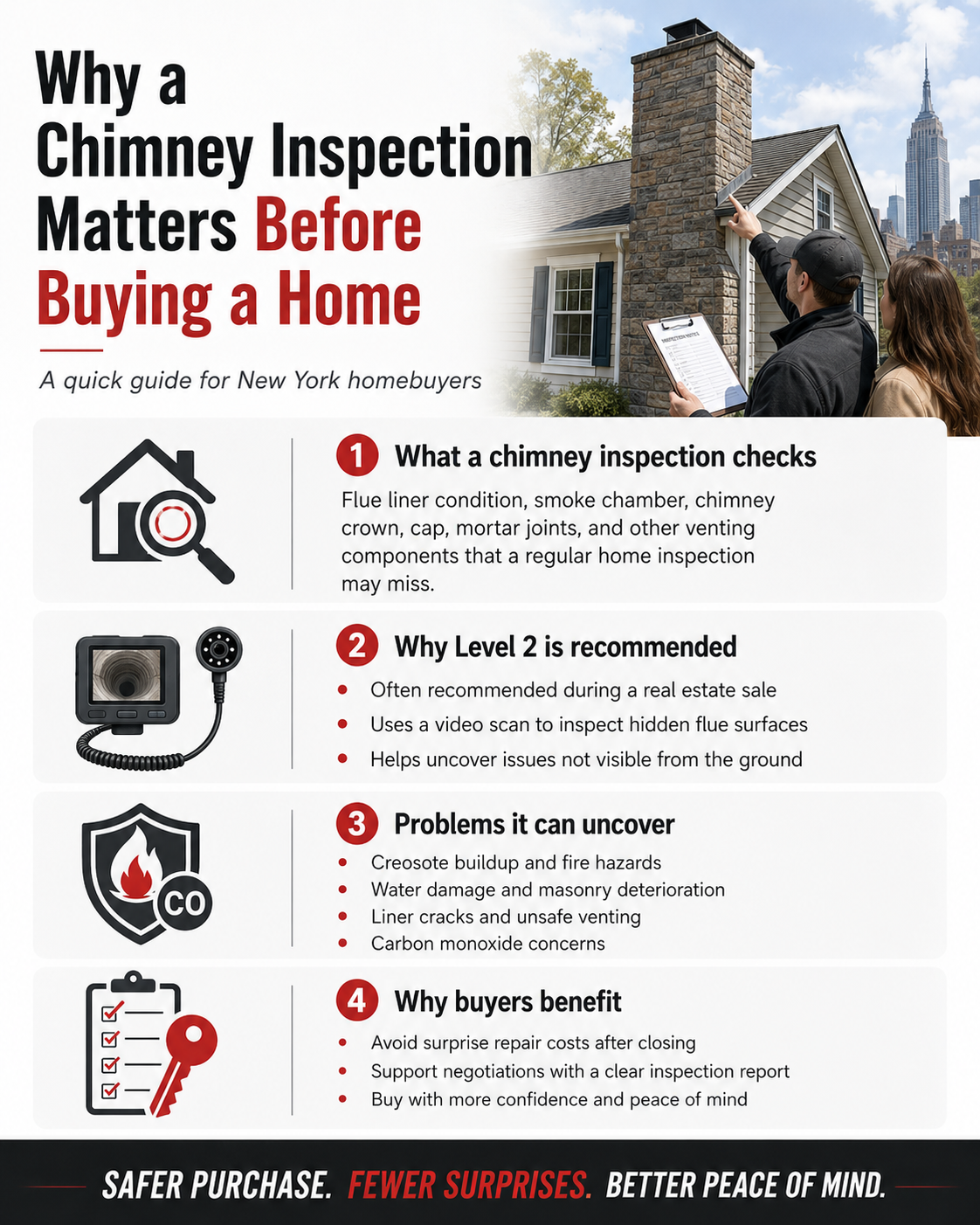
A Level 2 chimney inspection is important when buying a home because the fuel type, use history, and repair history of the fireplace are often unclear during a sale. A seller may have used wood, gas, or another appliance setup over the years, and those changes affect the flue system and Chimney Liner. If the wrong venting path or damaged flue lining is in place, the system may not draft correctly and may expose the home to carbon monoxide. The Chimney Safety Institute of America’s three levels of chimney inspections help explain why Level 2 inspections are tied to real estate transfers. For New York buyers, this inspection reduces uncertainty and makes the purchase safer.
New York homes face strong weather shifts, heavy rain, snow, severe weather, and freeze-thaw cycles that can damage masonry and venting systems over time. These conditions often cause moisture intrusion, water damage, cracked mortar joints, chimney crown failure, chimney cap damage, and hidden structural issues inside the flue system. In older home construction, the risk can be even higher because aging flue liners and chimney doors may no longer perform as intended. When these defects go unchecked, they raise the chance of fire hazard, carbon monoxide leaks, and smoke problems inside the home. For buyers in New York, especially those purchasing older homes, a fireplace inspection is a smart way to catch safety hazards early.
A CSIA-Certified Chimney Sweep brings focused training, inspection standards, and experience that go far beyond a quick visual review. That matters during a home purchase because buyers need facts, not guesses, about the chimney system. A CSIA-Certified Chimney Sweep can evaluate whether chimney cleaning is needed, whether there are signs of chimney fires, and whether parts like the chimney cap, flue liner, or smoke chamber need correction. Buyers also benefit from a clear inspection report that can be shared with real estate agents, sellers, and insurers when insurance compliance or homeowner’s insurance concerns come up. In a fast-moving New York market, that kind of documentation supports better decision-making.
A chimney inspection protects more than just the fireplace. It protects the buyer’s budget, the seller’s timeline, and the entire real estate deal by finding problems before they turn into closing delays or post-sale disputes. It can reveal whether the chimney system needs chimney cleaning, chimney masonry repair, a new chimney cap, a Chimney Liner update, or other work tied to fire safety. It also helps buyers understand inspection costs in the context of much larger repair bills that could show up later. For New York buyers who want a dependable evaluation before closing, Certified Chimney’s New York inspection services offer a practical next step backed by chimney professionals who understand local homes, local weather, and the safety concerns that matter most.
Get clear answers to common questions New York homebuyers have about chimney inspections, Level 2 inspections, hidden chimney damage, and real estate safety concerns.
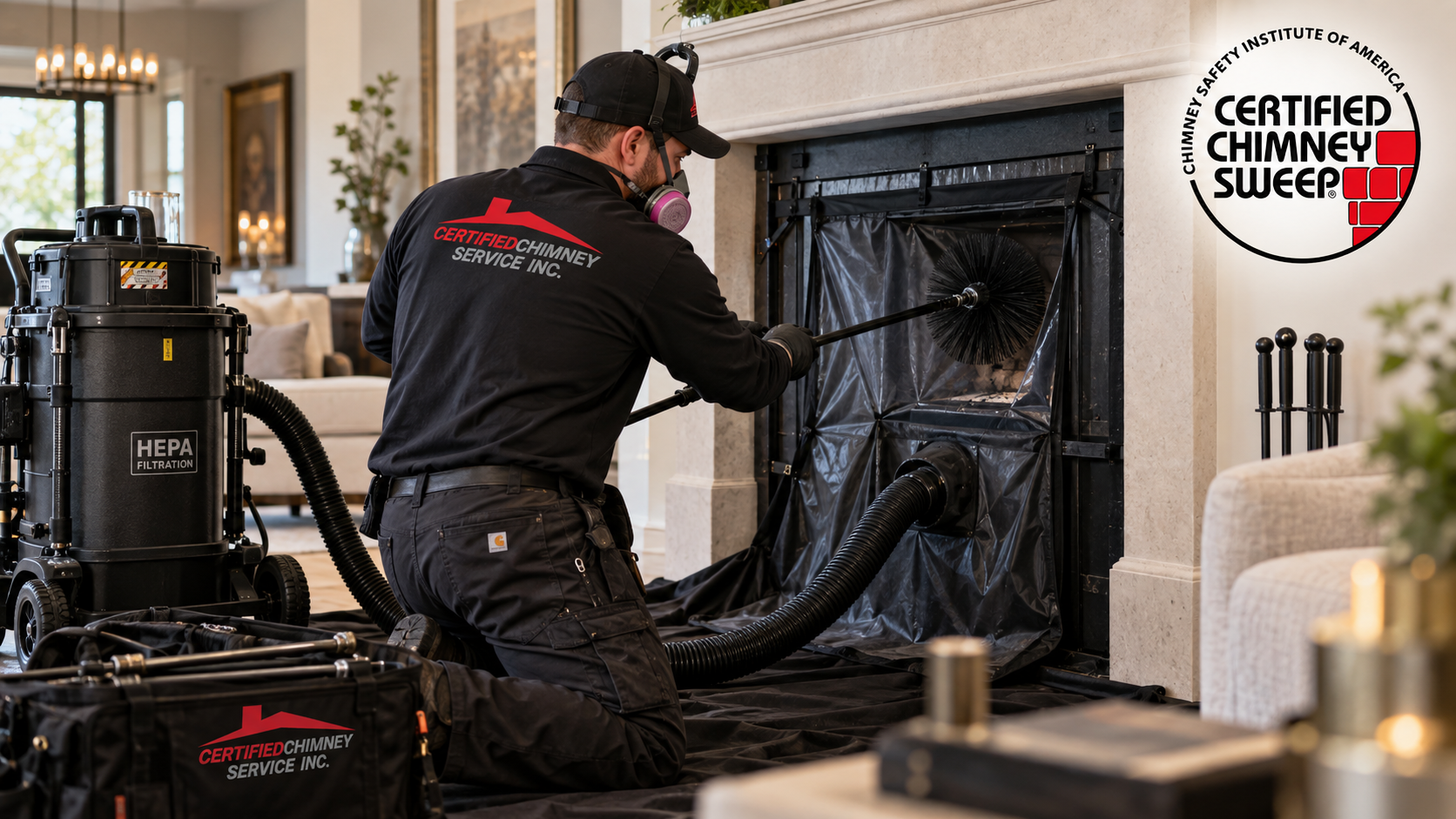
Covers fireplaces, wood stoves, pellet stoves, and heating systems including gas and oil systems. Book now before the winter rush fills our schedule.