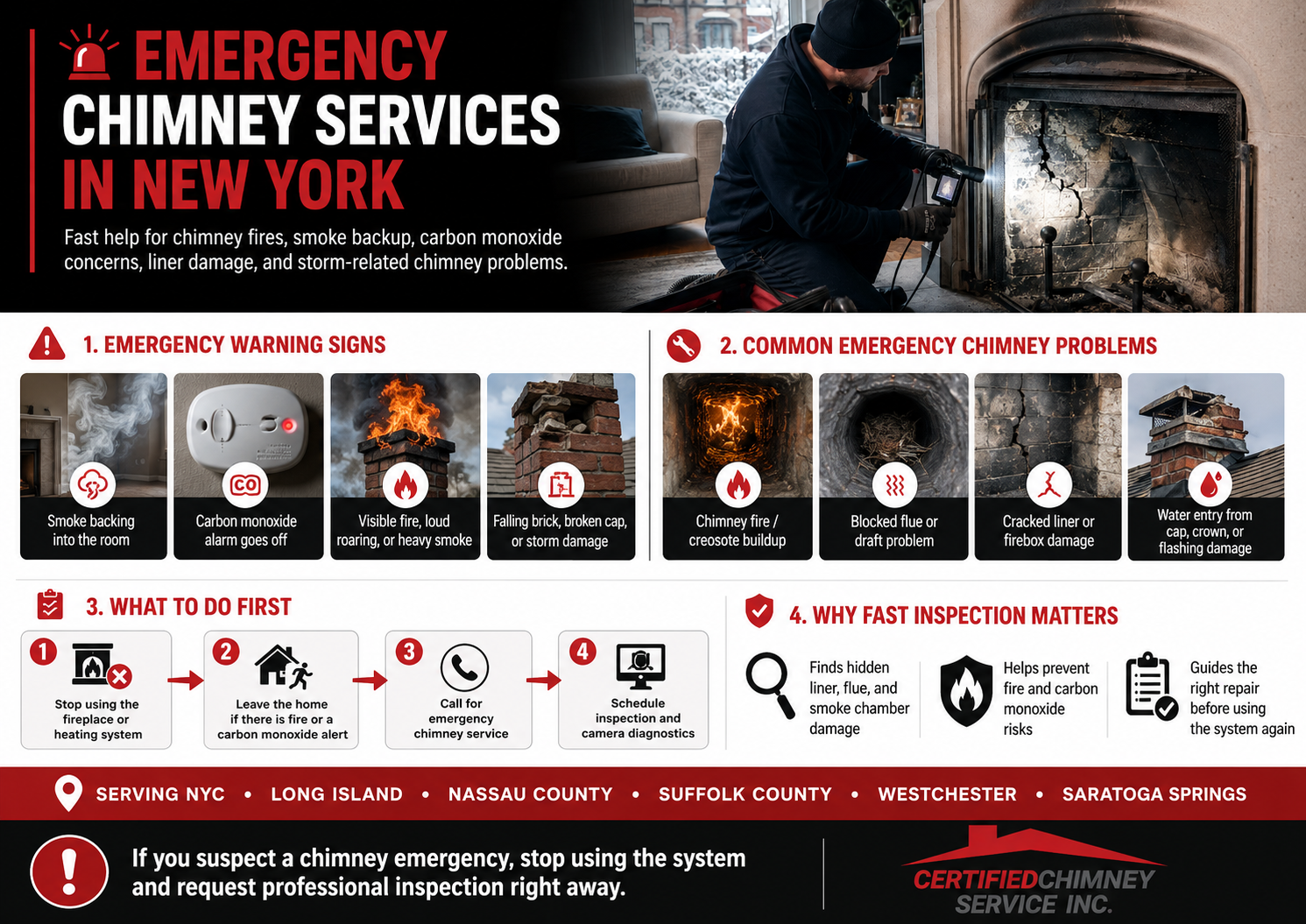
Most homeowners think of a chimney cap as little more than a metal lid, but on Long Island and across New York it is the single part standing between your chimney and a long list of winter problems. When a cap fails, water, wildlife and wind driven debris all get a direct path into the flue, and the damage that follows rarely stays small.
Want your cap checked before the next cold snap? Call 877-793-3712 and we’ll take a look.
Why the Cap Matters More Than It Looks
A chimney is an engineered exhaust system, and the cap sits at the very top of it doing three jobs at once. It keeps rain out of the flue, keeps debris from collecting inside the stack, and keeps squirrels, raccoons and birds from nesting somewhere warm and dark every autumn. Once a cap is missing or damaged, the chimney stops being a controlled system and starts behaving like an open pipe.
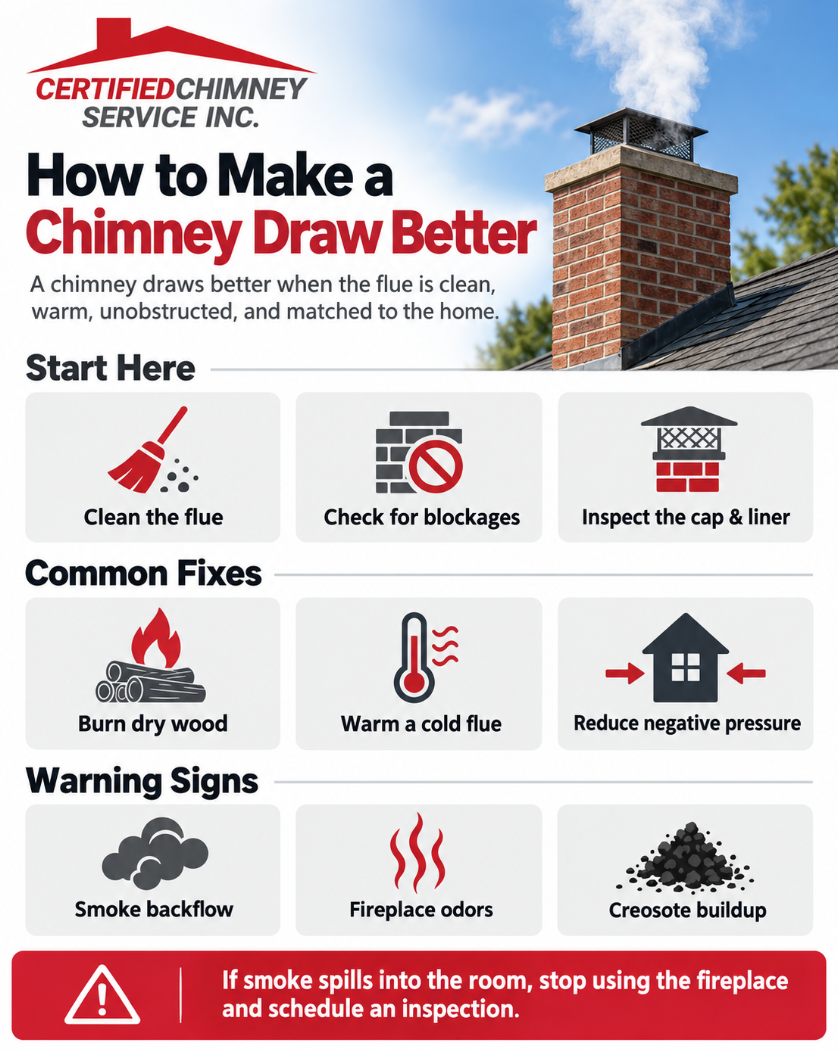
Water is the biggest threat. Without an intact cap, rain and melting snow run straight down the flue, rusting the damper and breaking down the liner from the inside. A blocked flue, often from a nest built during a cap failure, also forces combustion gases back toward the living space instead of venting them outside.
Why New York’s Climate Is Especially Hard on Caps
Long Island’s salt air and humidity speed up corrosion on metal hardware, while the Hudson Valley’s wider temperature swings fatigue it in a different way. Add in a chimney that gets little attention outside of heating season, and a cap that was already weakening tends to fail right as the first cold weather arrives.
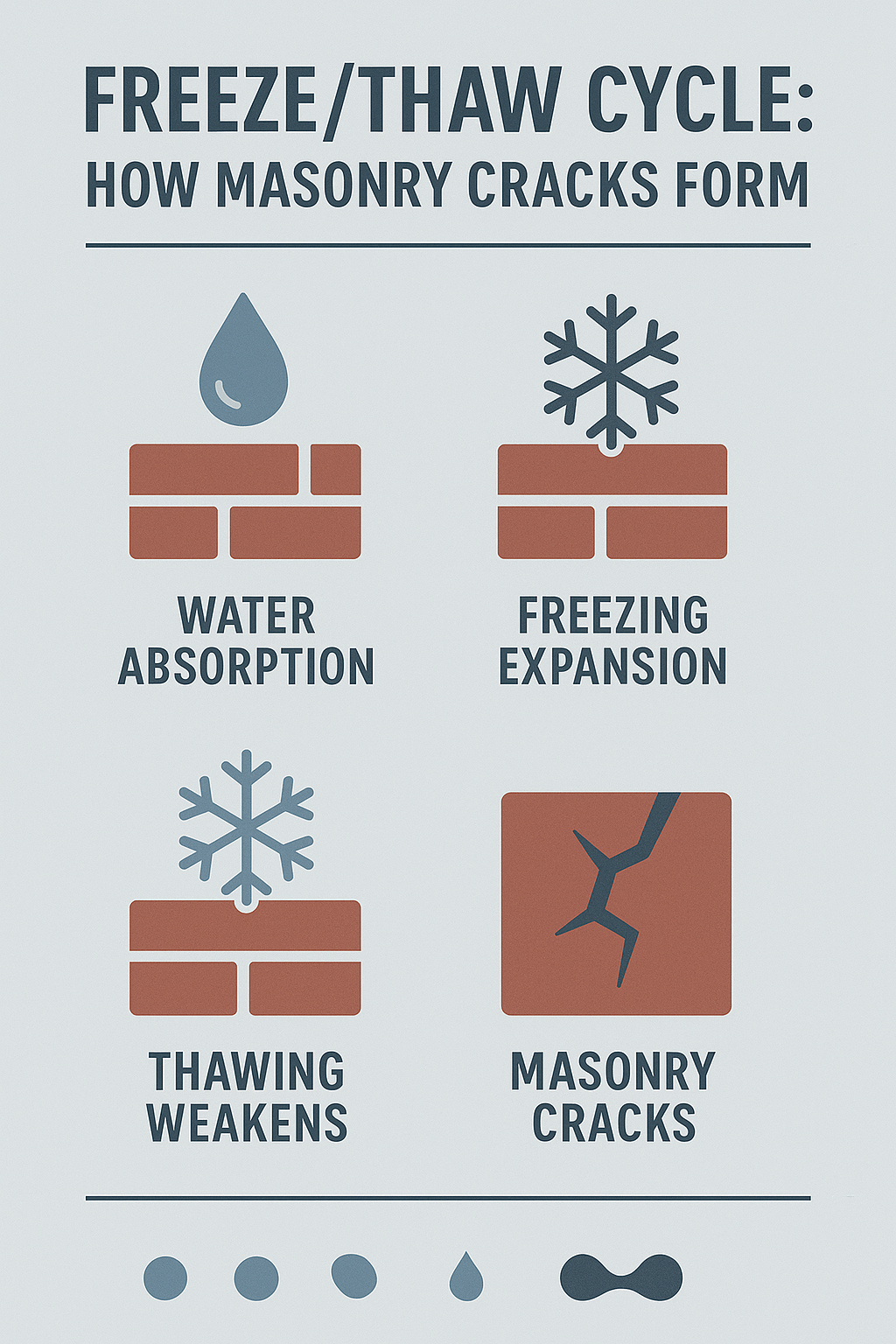
The Freeze and Thaw Cycle Behind Most of the Damage
Water that gets past a failing cap and settles into a crack or around the chimney crown expands every time it freezes. New York winters repeat that cycle dozens of times, and each one adds a little more pressure to the masonry. A properly fitted cap limits how much water ever reaches those joints in the first place, which is most of what it is actually protecting against.
Heavy snow adds its own stress. Drifts against the chimney stack melt and refreeze into ice dams that push laterally on the masonry, and if the cap’s hardware isn’t solidly anchored, that shifting ice can loosen or dislodge it for the rest of the season.
Not All Caps Are Built the Same
A lot of entry level caps are galvanized steel, which holds up fine inland but struggles in the salty, humid air near the coast. Once the zinc coating is scratched or corroded, the steel underneath rusts quickly and can develop holes within a few seasons. Stainless steel resists both moisture and the acidic byproducts of combustion, and copper develops a protective patina that holds up even longer. Both cost more upfront than galvanized, but over a decade they are usually the cheaper option once you account for replacements.
Signs Your Cap Has Already Failed
| What you see or smell | What it usually means |
|---|---|
| Rust streaking down the chimney exterior | Water is reaching metal components it shouldn’t be able to |
| A damp, sooty smell from the fireplace | Water has already made it into the flue |
| White, chalky residue on the brick (efflorescence) | Moisture is moving through the masonry itself |
| A tilted or crooked looking cap | The fasteners have likely already given way |
Why Fixing the Cap Early Is the Cheaper Option
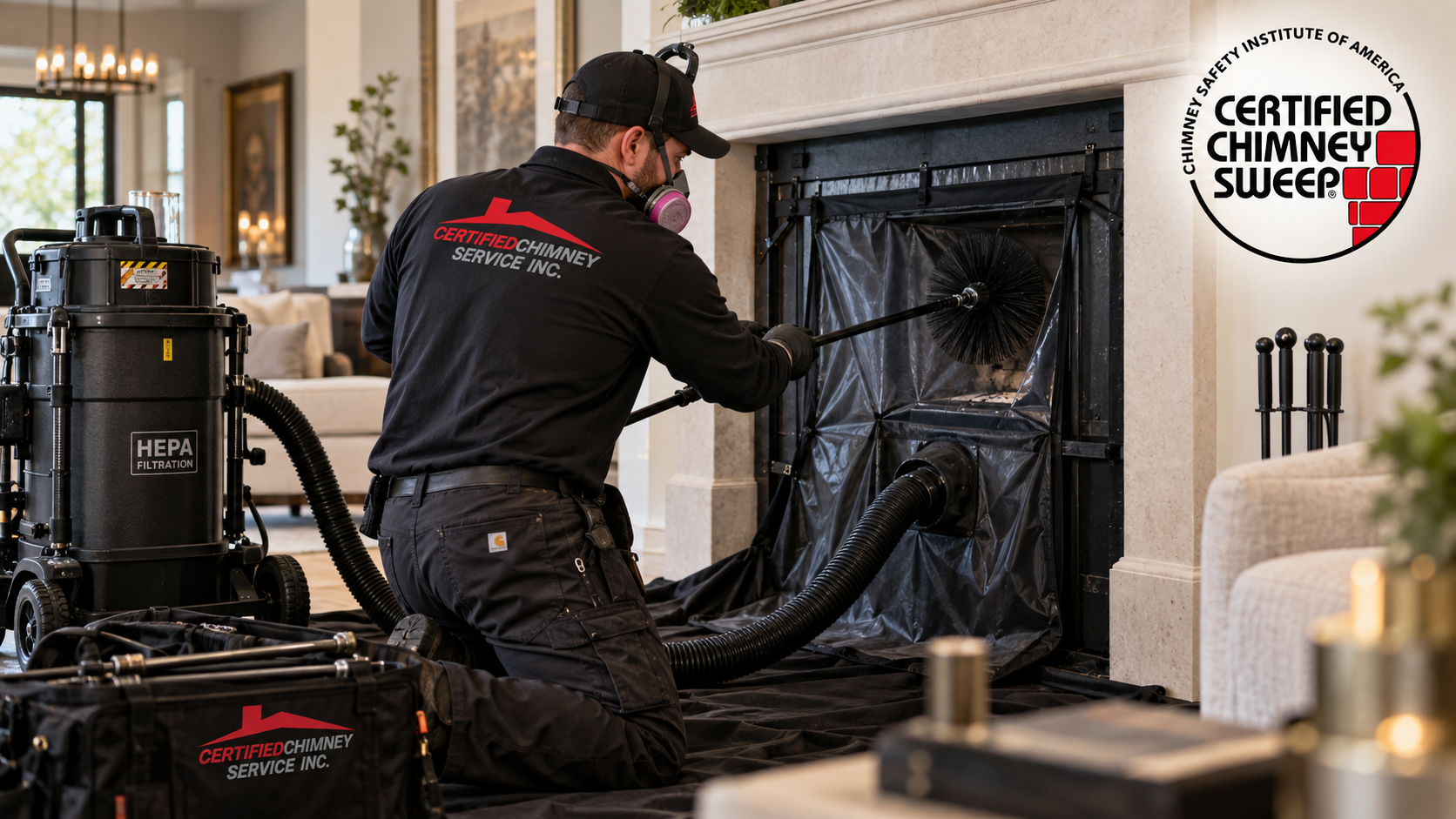
A new stainless steel cap typically runs a few hundred dollars installed. Repairing a cracked chimney crown, repointing masonry damaged by the freeze and thaw cycle, or replacing a liner that corroded from water exposure can run into the thousands. A certified inspection catches a failing cap long before it turns into one of those bigger repairs.
Frequently Asked Questions
How do I know if my chimney cap needs to be replaced instead of repaired?
If the frame or mesh is rusted through, the fasteners have failed, or the crown underneath it is cracked, replacement is usually more reliable than a patch repair.
Can a bad cap really affect my heating bill?
Yes. A chimney is essentially a hole in your roof, and a loose or missing cap lets conditioned air escape through it, especially when paired with a damper that doesn’t seal well.
When is the best time to have a cap inspected?
Late summer or early fall, before the first cold weather hits and before winter weather makes roof access harder.
Local Resources on Chimney and Winter Home Safety (click to expand)
A solid, well fitted cap is one of the least expensive ways to protect everything underneath it. Call Certified Chimney NY at 877-793-3712 to schedule an inspection, or request service online and we’ll follow up with a time that works.