A vacation home on Long Island or upstate New York is supposed to be a break from everything, including chimney problems. But a chimney that sits unused through a New York winter faces risks a primary residence never sees, and by the time you notice a problem during a weekend visit, it’s often already expensive. A little work before you lock up for the season prevents most of it.
Heading out for the season? Call 877-793-3712 to schedule a pre-winter inspection.
Why Vacation Homes Need Extra Chimney Attention
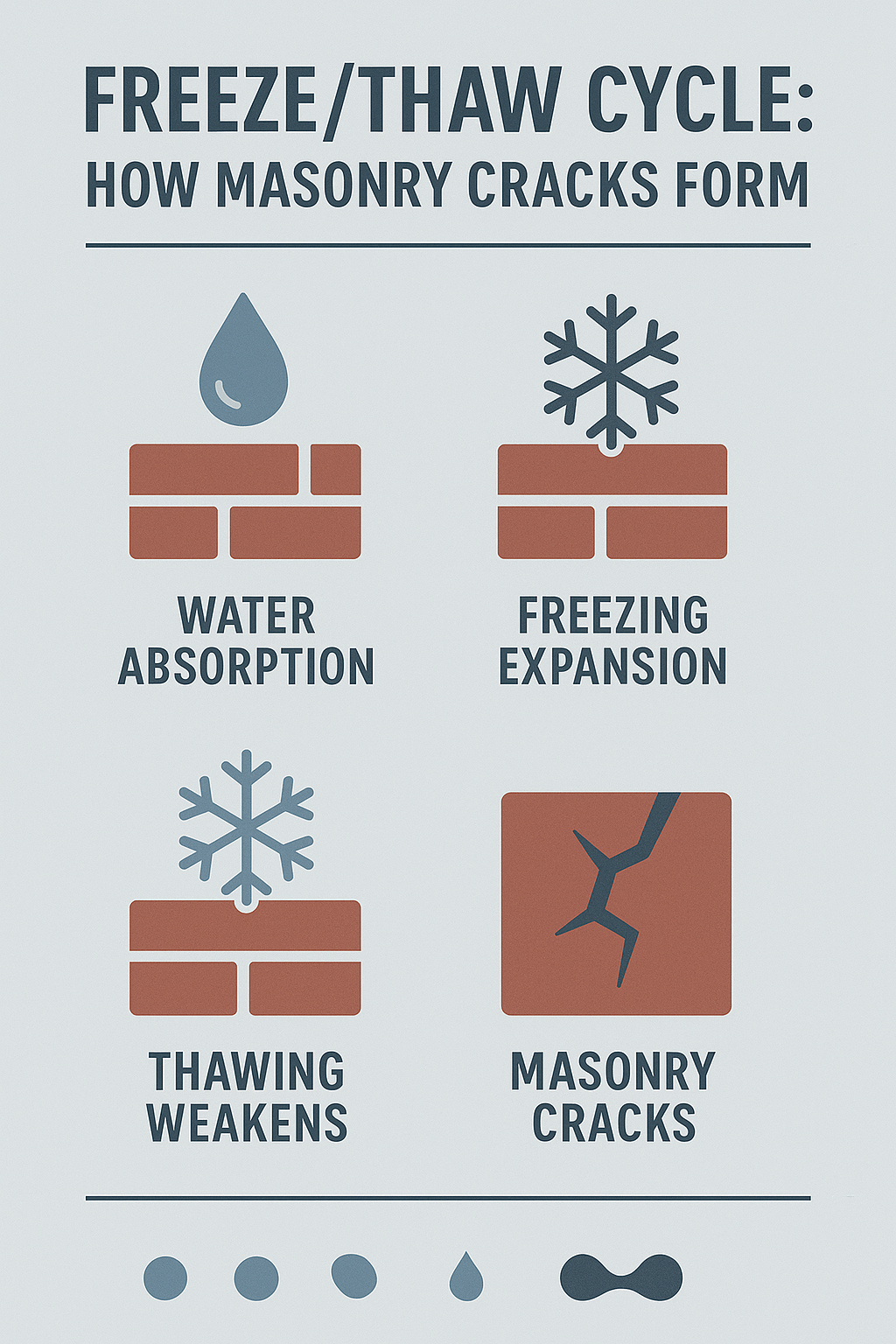
New York’s freeze-thaw cycle is hard on any chimney, but it’s harder on one that sits dormant. Water that gets into a crack expands by about 9% when it freezes, and that pressure pops the face off bricks in a process called spalling. In a home that’s used regularly, the heat from occasional fires helps keep moisture from settling in the flue. In an empty vacation home, there’s no warmth to push that moisture out, so condensation builds and mixes with residual soot to form acidic compounds that eat away at liners and mortar joints over the winter.
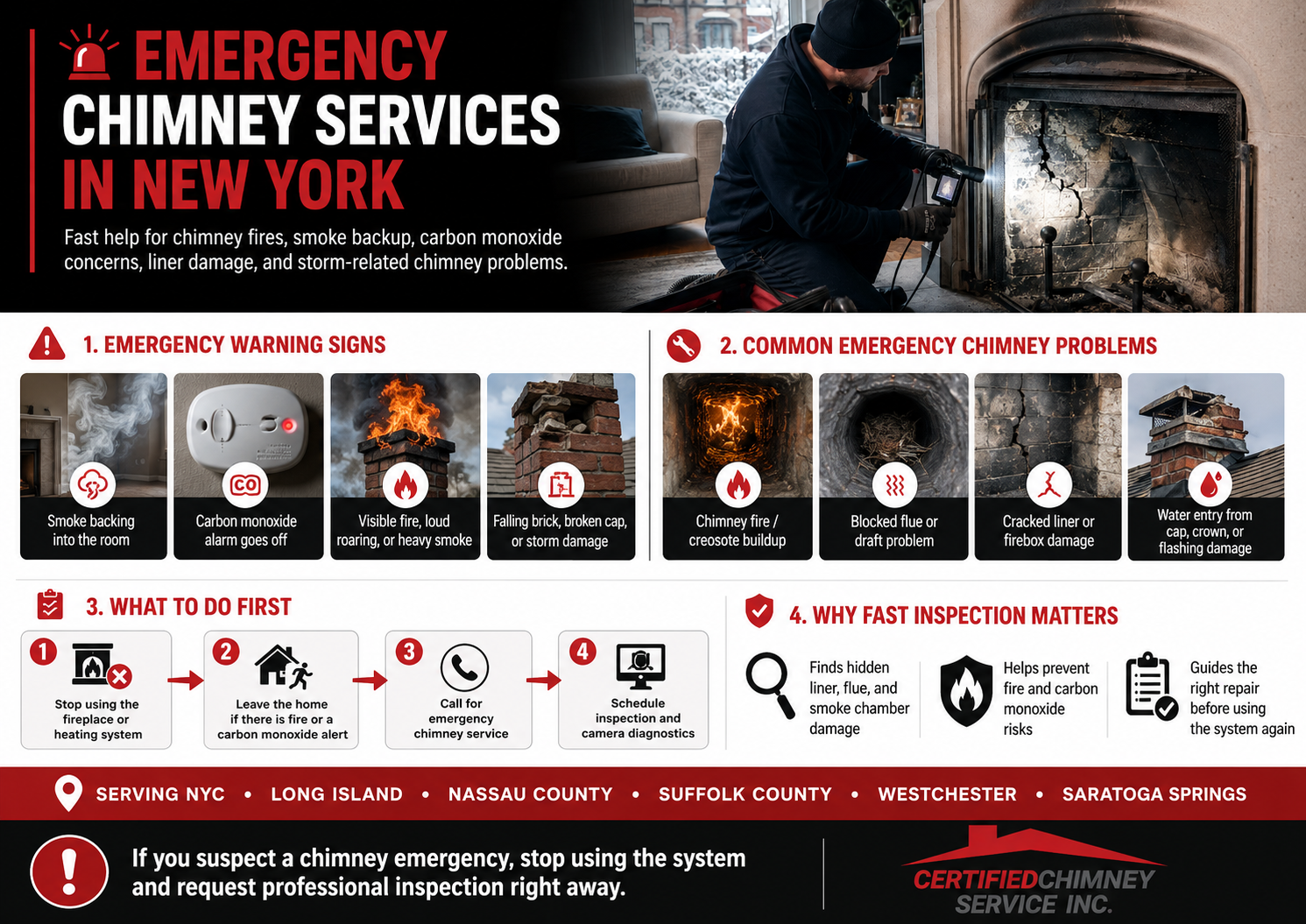
An idle chimney also looks like prime real estate to birds and squirrels. Without regular activity to keep them out, a flue can collect a nest that turns into a serious fire hazard the next time you light a fire.
Before You Lock Up: A Pre-Winter Checklist
| Step | Why it matters |
|---|---|
| Schedule a professional inspection and sweep | Catches creosote and structural issues before winter makes them worse |
| Check the damper seal | A leaky damper lets heat escape even when the house is unoccupied |
| Inspect the chimney crown and cap | Cracks let water in; a good cap keeps snow, ice and wildlife out |
| Test smoke and CO detectors, replace batteries | These are the only safety system watching the house while you’re gone |
| Trim tree limbs near the chimney | Ice-loaded branches can snap and cause real structural damage |
Have It Inspected Before You Leave, Not When You Return
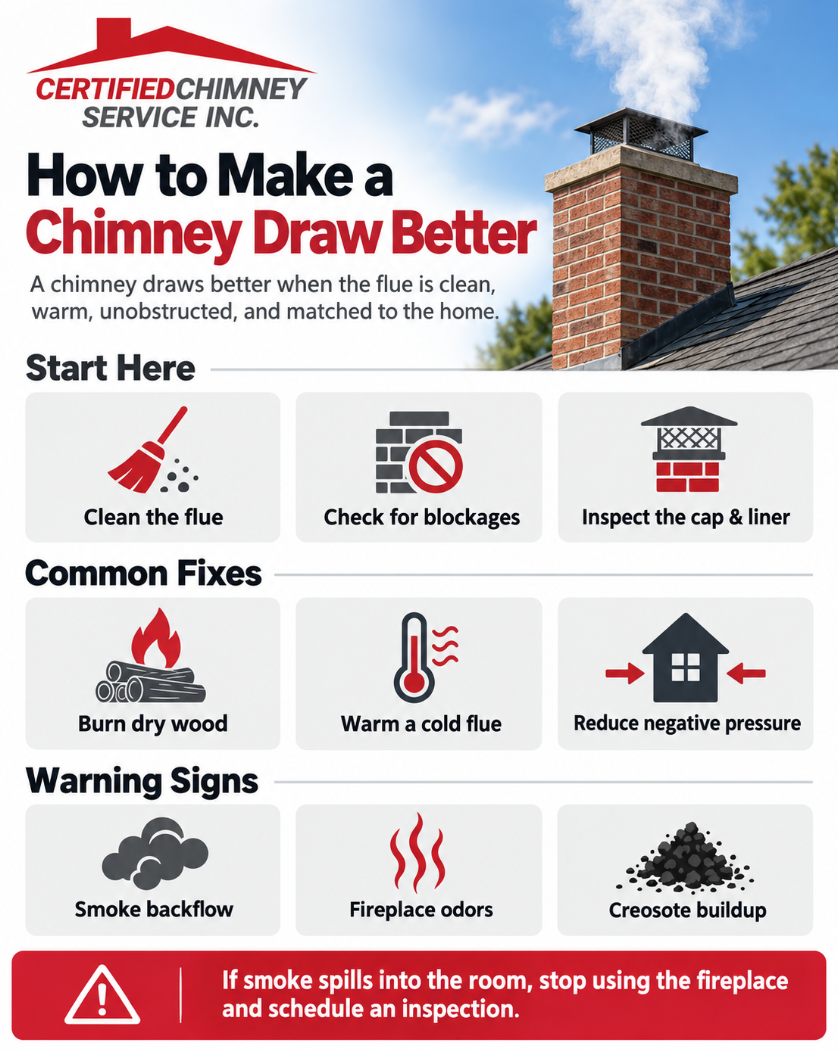
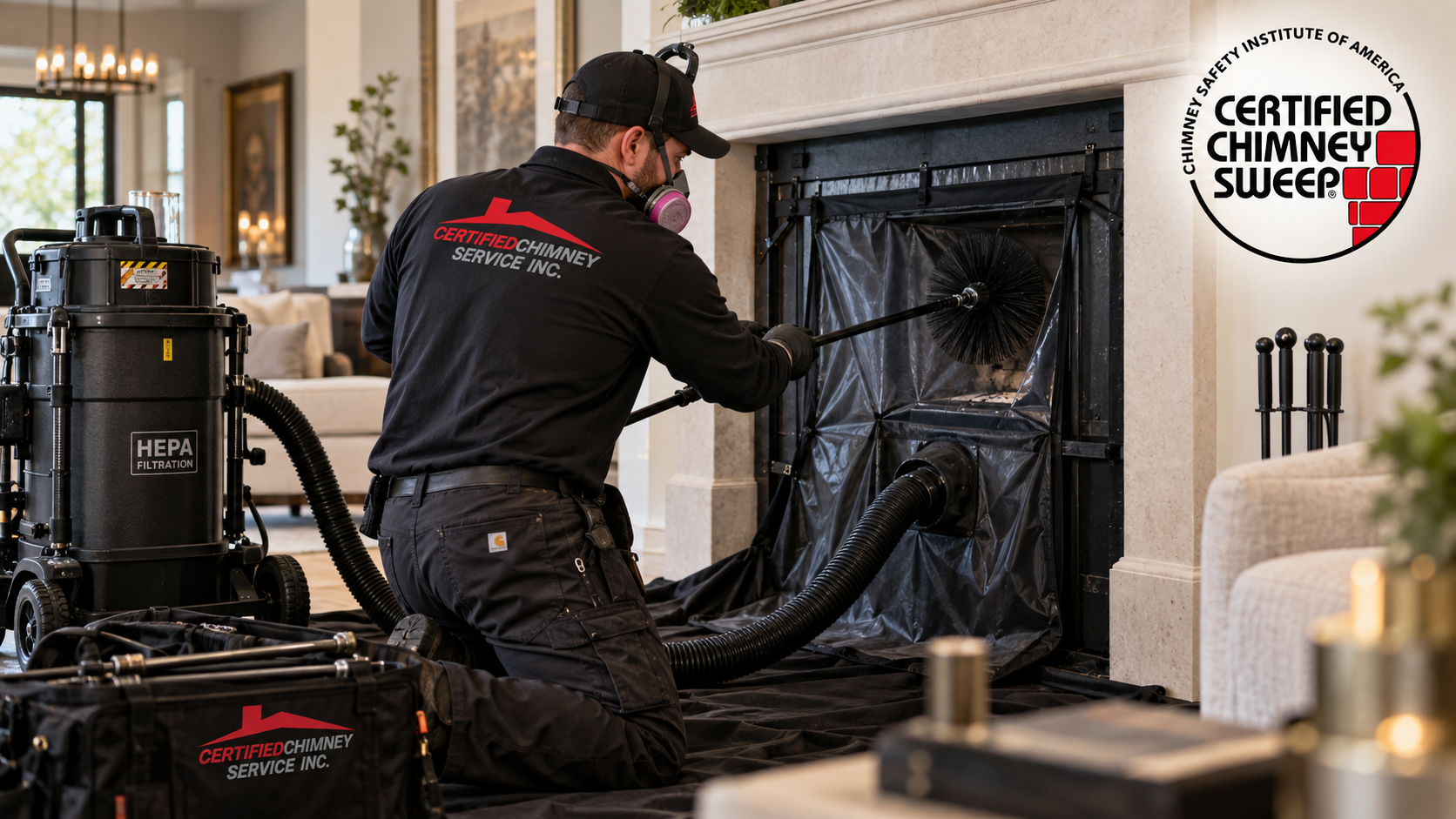
Most homeowners wait for the first cold snap to call a chimney sweep, which means long wait times during the busiest part of the season. Scheduling an inspection at the end of your last fall visit is a better plan. It catches structural issues while there’s still time to fix them, clears out creosote before it hardens over the winter, and checks for any nesting or debris left behind by wildlife. It also means the chimney is ready for an immediate fire the moment you’re back.
Sealing the Flue Without Trapping Moisture
A damper that doesn’t seal tightly is effectively heating the outdoors. If the frame has warped or the gasket has degraded, it should be repaired or replaced before you leave. For older vacation homes, a top-sealing damper or a chimney balloon in the throat of the fireplace does a much better job blocking cold drafts than a standard throat damper alone, and it noticeably cuts down on the stack effect that pulls warm air up and out of the house while cold air gets pulled in around windows and doors.
Just don’t seal everything. If you run a wood stove, make sure any external air intake stays clear, since the home still needs some airflow to prevent moisture buildup and mold while it’s closed up.
Protecting the Masonry From the Outside
The chimney crown, the concrete cap at the top of the stack, takes a beating from UV exposure and freezing rain. A crack there lets water straight into the structure, so filling any fissures with an elastomeric crown sealer before winter is worth the small cost. A quality stainless steel cap with mesh screening keeps snow, ice and animals out of the flue, and a breathable, vapor-permeable masonry sealer on the brick itself keeps liquid water out while still letting internal moisture escape, which is what actually prevents spalling.
Safety Systems for a House Nobody’s Watching
Before you leave, test every smoke and carbon monoxide detector and replace the batteries regardless of how much life is left in them. Carbon monoxide is colorless and odorless, so a working detector is the only thing standing between a small problem and a disaster in an empty house. WiFi-enabled smoke and CO detectors that send alerts to your phone are worth the upgrade for a property you’re not checking on daily, since they let you respond or call a property manager the moment something goes wrong rather than finding out weeks later.
If You Run a Wood or Pellet Stove
Clean the burn chamber completely and remove all ash before you leave, since it attracts moisture. If it’s a pellet stove, empty the hopper so the pellets don’t absorb humidity and clog the auger over the winter. Check the door gasket with the dollar bill test: close the door on a dollar bill, and if it pulls out easily, the gasket needs replacing before it lets in air all winter. Store any firewood raised off the ground and covered on top only, so air can still circulate and pests don’t move in.
Frequently Asked Questions
How long can a vacation home chimney go without an inspection?
Once a year at minimum, ideally scheduled at the end of your last visit before the heating season, since waiting until you return means any damage had a whole winter to get worse.
Is it worth installing a smart smoke detector in a vacation home?
Yes, especially for a property that sits empty for long stretches. A WiFi-connected detector sends an alert to your phone the moment something trips it, which a standard detector can’t do when no one is there to hear it.
Can a chimney balloon damage my chimney if I forget it’s there?
No, as long as you remove it before lighting a fire. It’s designed to sit in the throat of the fireplace specifically to block drafts when the fireplace isn’t in use.
Local Resources on Chimney and Winter Home Safety (click to expand)
A few hours of prep before you lock up saves a lot of trouble come spring. Call Certified Chimney NY at 877-793-3712 to schedule your pre-winter inspection, or request service online and we’ll follow up with a time that works.