
Spring chimney maintenance is important for homes across New York. The winter season places heavy stress on a chimney system due to extreme cold, snow, and constant fireplace use. During winter, heat and moisture move through the chimney flue while outside temperatures remain low. This temperature difference can create cracks in mortar joints and cause small structural issues. Once winter ends, these problems become easier to detect during a chimney inspection. Addressing chimney damage early prevents water leaks and structural damage before the next winter season. For homeowners across Long Island and the Capital District, spring maintenance provides a safe window to schedule chimney repair and avoid weather delays later in the year.
New York winters often include heavy snow, freezing rain, and repeated freeze thaw cycles. These conditions allow moisture to enter small gaps in chimney masonry. When temperatures drop, trapped water freezes and expands inside the mortar joints and brick surfaces. Over time this pressure can cause crumbling bricks, structural cracking, and spalling repair needs. Homes in Suffolk County and coastal areas of Long Island are especially vulnerable due to higher moisture levels and strong seasonal storms. If chimney damage is ignored, water infiltration may reach the chimney crown and flue liner. Repairing these issues in spring helps restore structural integrity and prevents larger chimney masonry repair projects later.
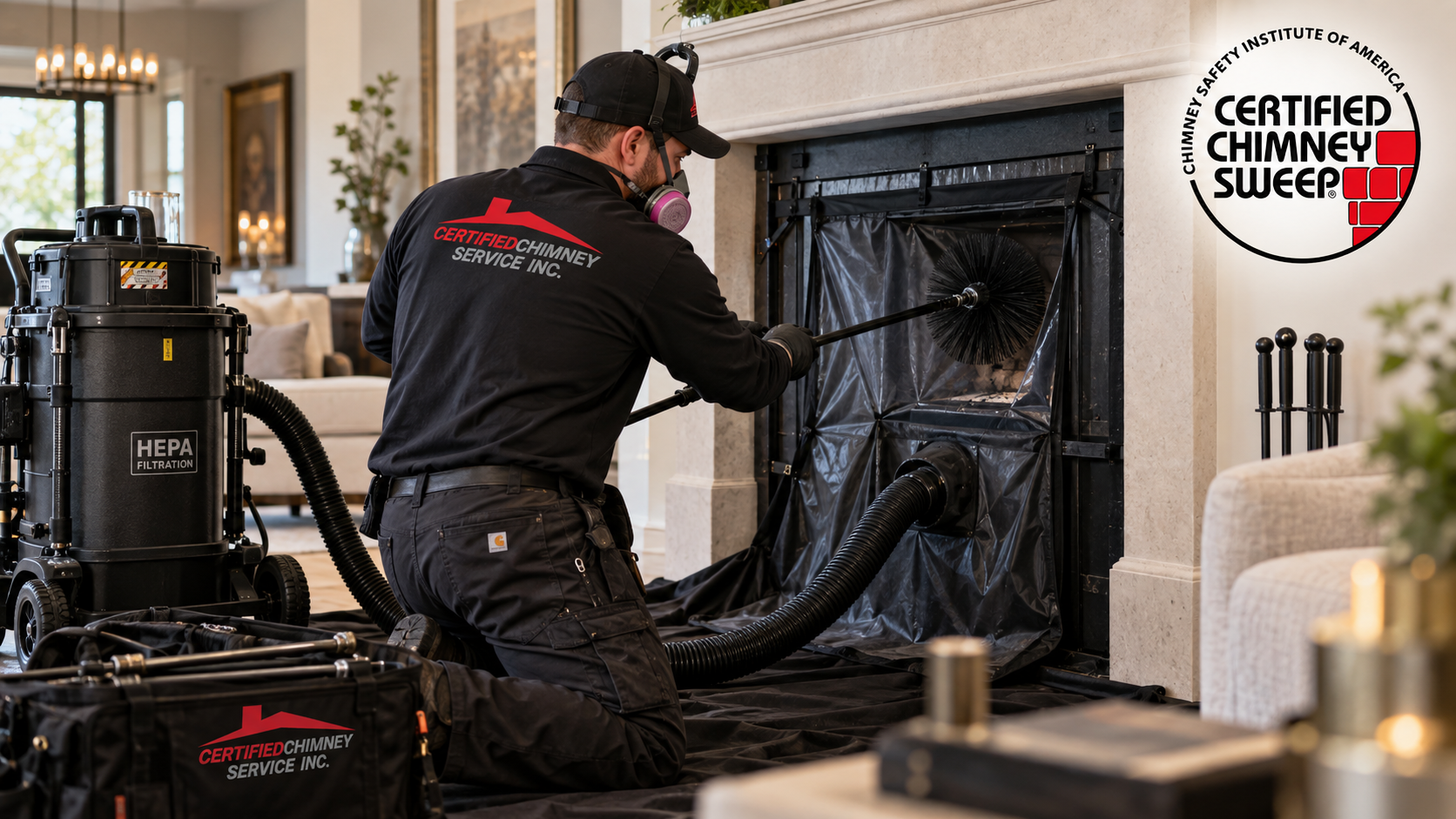
A post winter chimney inspection helps identify hidden chimney damage that developed during cold weather. A professional chimney sweep examines the chimney crown, chimney cap, flashing, and flue liner for signs of wear. They also check for creosote deposits that can accumulate after months of fireplace use. According to the Chimney Safety Institute of America. annual inspections help prevent chimney fires and safety hazards. If problems such as mortar replacement or flashing replacement are needed, technicians can address them before summer storms arrive. Early inspections allow homeowners in New York to schedule cost effective chimney repair services before minor damage becomes a major safety issue
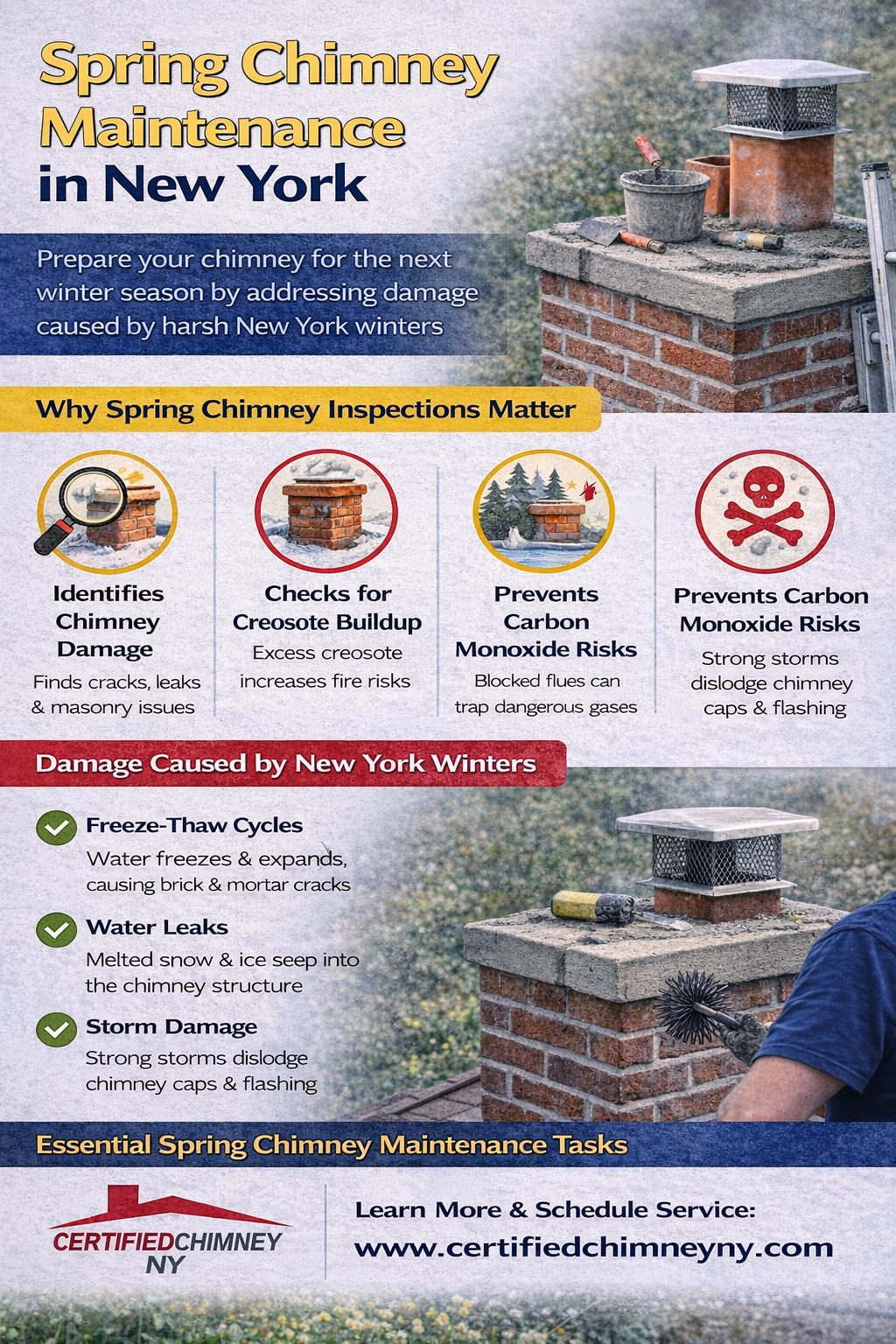
Creosote buildup is a common problem discovered during chimney cleaning. Creosote is a thick residue that forms when wood smoke cools inside the chimney flue. Over time, creosote deposits can stick to the walls of clay tile liners or metal chimney liners. Thick layers of creosote become highly flammable and increase the risk of chimney fires. The National Fire Protection Association warns that creosote buildup is one of the leading causes of chimney fires in homes. Regular chimney sweeping removes these deposits and improves airflow inside the venting system. Spring cleaning ensures the chimney system is safe and ready before the next heating season begins.
Many chimney masonry problems become visible after winter weather passes. Freeze thaw cycles often create brick fissures and loosen mortar joints along the chimney structure. Homeowners may also notice water stains near the fireplace or chimney exterior. These signs often indicate water infiltration inside the masonry chimney. If ignored, moisture can reach the flue tiles and chimney crown, leading to further structural damage. Masonry repairs such as mortar replacement, chimney crown repair, and waterproofing treatments help stabilize the chimney structure. Addressing these issues during spring maintenance helps protect the chimney system from further seasonal wear and tear.
Chimney caps and flashing play an important role in protecting the chimney from water leaks. A chimney cap covers the top of the flue and prevents rain, animals, and debris from entering the chimney system. Flashing sits where the chimney meets the roof and blocks water from seeping into the structure. When flashing becomes damaged or loose, water infiltration can reach interior masonry and cause structural cracking. Homes on Long Island often experience stronger storms and coastal winds that increase this risk. Installing a durable chimney cap and performing flashing replacement helps reduce water damage and protect the chimney from long term deterioration.
Blocked chimneys can create serious indoor safety hazards. When soot, storm debris, or creosote buildup restrict airflow, smoke and gases cannot exit properly through the chimney flue. This can cause dangerous gases like carbon monoxide to enter the home. Carbon monoxide leaks are especially dangerous because the gas is colorless and odorless. The Centers for Disease Control and Prevention explains that proper venting systems and carbon monoxide detectors are essential for home safety. Spring chimney inspections help detect blockages and ensure the chimney venting system is working correctly before the next heating season begins.
Homes in Suffolk County and other coastal parts of New York often require more frequent chimney maintenance. The coastal climate brings higher humidity, stronger storms, and salt air that can accelerate masonry wear. Moisture exposure increases the chances of water leaks, spalling bricks, and chimney crown damage. Over time these conditions can weaken the chimney structure and reduce its structural security. Seasonal inspections help detect water infiltration before it spreads deeper into the chimney system. Spring maintenance is especially important for Long Island homeowners because it allows time to complete masonry restoration and waterproofing treatments before winter weather returns.
Professional chimney maintenance ensures that every part of the chimney system is inspected and repaired correctly. Certified professionals follow safety standards such as NFPA 211, which outlines proper chimney inspection and repair guidelines. These inspections may include Level 1, Level 2, or Level 3 evaluations depending on the condition of the chimney. Homeowners across New York can schedule chimney inspections, chimney cleaning, and chimney repair through Certified Chimney NY. Addressing chimney damage in spring helps prevent costly repairs, improves fireplace safety, and ensures the chimney system is ready for the next winter season.
Get quick answers to common questions New York homeowners have about chimney inspections, repairs, and seasonal maintenance after winter.
Article details:
Share:
Covers fireplaces, wood stoves, pellet stoves, and heating systems including gas and oil systems. Book now before the winter rush fills our schedule.