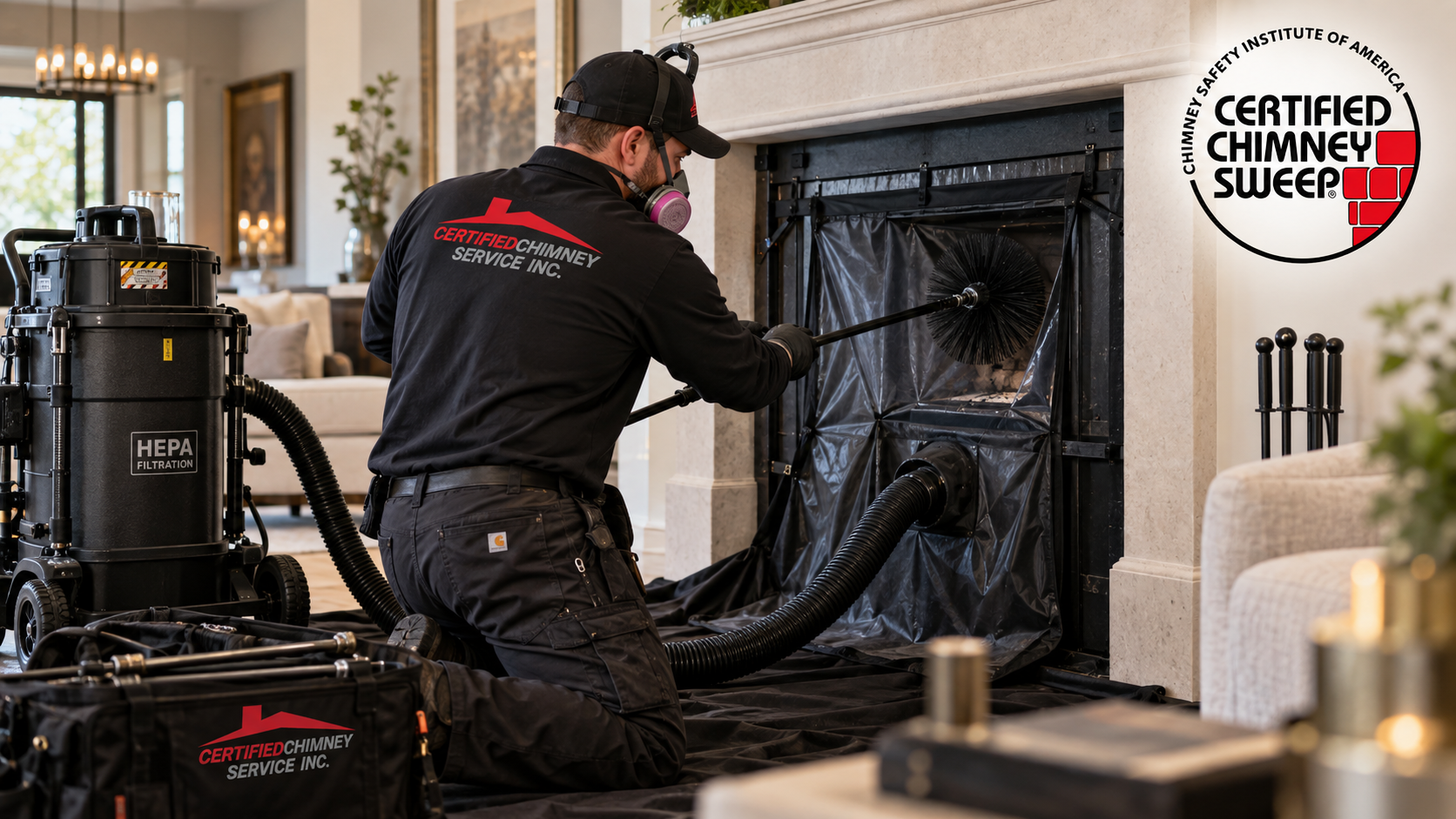
Chimney Repair Suffolk County
Chimney repair in Suffolk County is important for protecting Long Island homes from water leaks, damaged masonry, unsafe venting, and seasonal wear caused by salt air, rain, and freezing temperatures. Certified Chimney NY provides professional chimney inspections, cleaning, masonry repair, liners, caps, repointing, and leak repair services to help keep your chimney safe, efficient, and ready for year-round use.
Testimonials
See Why Homeowners Trust Certified Chimney
himney Repair in Suffolk County matters because Long Island homes face salt air, heavy rain, cold winters, and freeze-thaw damage. When water enters cracked mortar, damaged flashing, or an open Chimney cap, small problems can turn into Water Leaks, structural repairs, or carbon monoxide concerns. Certified Chimney provides professional chimney services for Suffolk County, Nassau County, and nearby New York areas. Services include chimney inspections, chimney cleaning, chimney liners, Masonry Repair, chimney Repointing, leak repairs, and Emergency Service when a chimney problem cannot wait.
Signs Your Chimney Needs Repair
A chimney often shows signs of damage before it becomes unsafe. Homeowners may notice loose bricks, cracked mortar, rust stains, bad smells, smoke draft problems, or water spots near the fireplace. These issues can come from creosote buildup, damaged flue tiles, missing chase covers, or failing masonry work. If ignored, the chimney can develop deeper structural damage or carbon monoxide leaks. A video camera inspection or Level 2 Chimney Inspection can help find the cause and create a clear repair plan.
Water Leaks, Masonry Repair, and Repointing
Water Leaks are one of the most common chimney problems in Suffolk County. Rain, snow, and coastal moisture can enter through cracked crowns, damaged flashing, bad mortar joints, or missing caps. Once water gets inside, it can weaken brick, damage fireplace vents, and lead to expensive chimney construction or Firebox Restoration. Chimney Repointing replaces failing mortar so the masonry stays stronger and more weather resistant. The New York St ate Residential Code for chimneys and vents helps explain why safe chimney construction and venting must follow building codes.
- Amagansett
- Amityville
- Aquebogue
- Asharoken
- Babylon
- Baiting Hollow
- Bay Shore
- Bayport
- Belle Terre
- Bellport
- Blue Point
- Bohemia
- Brentwood
- Bridgehampton
- Brightwaters
- Brookhaven
- Calverton
- Center Moriches
- Centereach
- Centerport
- Central Islip
- Cold Spring Harbor
- Commack
- Copiague
- Coram
- Cutchogue
- Deer Park
- Dering Harbor
- Dix Hills
- East Farmingdale
- East Hampton
- East Islip
- East Marion
- East Moriches
- East Northport
- East Patchogue
- East Quogue
- East Setauket
- East Shoreham
- Eastport
- Eatons Neck
- Elwood
- Farmingville
- Fire Island
- Fishers Island
- Flanders
- Fort Salonga
- Gordon Heights
- Great River
- Greenlawn
- Greenport
- Halesite
- Hampton Bays
- Hauppauge
- Head of the Harbor
- Holbrook
- Holtsville
- Huntington
- Huntington Bay
- Huntington Station
- Islandia
- Islip
- Islip Terrace
- Jamesport
- Kings Park
- Lake Grove
- Lake Ronkonkoma
- Laurel
- Lindenhurst
- Lloyd Harbor
- Lonelyville
- Manorville
- Mastic
- Mastic Beach
- Mattituck
- Medford
- Melville
- Middle Island
- Miller Place
- Montauk
- Moriches
- Mount Sinai
- Napeague
- Nesconset
- New Suffolk
- Nissequogue
- North Amityville
- North Babylon
- North Bay Shore
- North Bellport
- North Great River
- North Haven
- North Lindenhurst
- North Patchogue
- North Sea
- Northampton
- Northport
- Northwest Harbor
- Noyack
- Oak Beach
- Oakdale
- Ocean Beach
- Old Field
- Orient
- Patchogue
- Peconic
- Pine Aire
- Poquott
- Port Jefferson
- Port Jefferson Station
- Quiogue
- Quogue
- Remsenburg
- Ridge
- Riverhead
- Rocky Point
- Ronkonkoma
- Sag Harbor
- Sagaponack
- Saint James
- Saltaire
- San Remo
- Sayville
- Selden
- Setauket
- Shelter Island
- Shelter Island Heights
- Shinnecock Hills
- Shirley
- Shoreham
- Smithtown
- Sound Beach
- South Huntington
- Southampton
- Southold
- Speonk
- Springs
- Stony Brook
- Suffolk County
- Terryville
- Village of the Branch
- Wading River
- Wainscott
- Water Mill
- West Babylon
- West Bay Shore
- West Gilgo Beach
- West Hampton Dunes
- West Hills
- West Islip
- West Sayville
- Westhampton
- Westhampton Beach
- Wheatley Heights
- Wyandanch
- Yaphank
Chimney Cleaning and Creosote Buildup
Chimney Cleaning helps remove soot, debris, and creosote buildup from the flue. Creosote can form when wood burns and smoke cools inside the chimney. If too much builds up, it can increase the risk of chimney fire and poor draft. The Chimney Safety Institute of America explains that chimney inspections and cleaning are important parts of safe chimney care. For Long Island homeowners, annual cleaning is smart before heavy fireplace use because cold weather and frequent burning can make buildup happen faster.
How Often Should Chimney Cleaning Be Done?
Most Suffolk County homeowners should schedule chimney inspections once a year, even if the fireplace is not used often. Cleaning depends on how much the system is used, the type of fuel, and the amount of creosote buildup found during inspection. The National Fire Protection Association provides chimney, fireplace, vent, and appliance safety standards used across the industry. Annual service helps catch draft problems, damaged liners, missing caps, and carbon monoxide risks before they affect the home.
Chimney Liners, Caps, and Fireplace Solutions
Chimney liners protect the inside of the chimney and help smoke, gases, and heat move safely out of the home. A Stainless steel Chimney Liner, stainless steel liner, or stainless liners may be recommended when old flue tiles are cracked, missing, or no longer safe. Chimney cap installation also matters because caps help block rain, wildlife, leaves, and debris. Quality stainless steel products, chase covers, Fireplace Insert support, and fireplace solutions can improve chimney performance while helping the system meet local building codes and safety standards.
Why Choose a Professional Chimney Sweep?
A professional chimney sweep can inspect areas that homeowners cannot safely see, including the liner, smoke chamber, fireplace vents, cap, crown, and masonry. This matters because surface stains may look small while hidden damage is spreading inside the chimney. Professional chimney services also help with carbon monoxide safety, chimney relining, draft problems, leak repairs, and masonry repair. Certified Chimney focuses on customer satisfaction, high-quality materials, trusted chimney services, and clear recommendations. Homeowners can request a Free Estimate before choosing the right repair plan.
Schedule Chimney Service in Suffolk County
Certified Chimney provides Chimney Repair Services, chimney cleaning, chimney inspections, chimney relining, Masonry Repair, chimney cap work, leak repairs, and fireplace solutions throughout Suffolk County and nearby Long Island service areas. The team also serves Nassau & Suffolk County, Nassau County, New York City, and other New York communities when homeowners need dependable chimney care. For service, visit Certified Chimney NY to request a Free Estimate. A timely inspection can protect your home, improve safety, and prevent a small chimney issue from becoming a larger repair.
Ready to Enhance Your Home with a Custom Chimney? Contact Certified Chimney Today!