
Before the first fall fire, New York homeowners should make sure the chimney system is clean, clear, and safe to use. A chimney that did not get used during spring and summer may have creosote buildup. It may also have animal nests, water damage, flue obstructions, chimney cap problems, or chimney liner damage. These issues can increase fire hazards, cause smoke backup, reduce heating efficiency, and raise carbon monoxide concerns. Certified Chimney NY cleans chimneys and inspects them. They also sweep chimneys, repair fireplaces, reline chimneys, clean dryer vents, and support fire safety before fireplace season starts.
Creosote deposits are one of the biggest signs your chimney needs professional cleaning. Creosote is a flammable residue that forms when wood burns and smoke cools inside the flue. It can appear as black soot, flaky buildup, sticky tar, or hardened glaze. If enough creosote builds up, it can become a serious fire danger. CSIA explains that chimney fires can damage flue liners, mortar, and masonry, even when the homeowner does not realize a fire happened. A chimney sweep can remove buildup before the burn season begins.
Smoke backup is a warning sign that the chimney system is not drafting correctly. A drafting problem can happen when the flue is blocked, the chimney cap is clogged, the damper is not fully open, or negative pressure pulls smoke back into the home. Smoke entering the room can affect indoor air quality and may point to flue obstructions or liner deterioration. If smoke backs up after lighting a small fire, stop using the fireplace and schedule a chimney inspection before trying again.
A sour, smoky, or damp smell can come from creosote buildup, ash, water intrusion, animal debris, or poor airflow. Odors often get stronger after humid weather or storm damage. Glass doors and a fire screen may reduce some odor movement, but they do not fix the source. If the fireplace smells before seasonal use, the chimney may need cleaning, cap repair, masonry repair, or a moisture inspection. A professional chimney sweep can identify whether the odor is from soot, water damage, or a blockage.
Animal nests, bird nests, leaves, twigs, and small-animal nests can block the flue and create fire risks. These blockages can stop smoke and gases from leaving the home. They can also bring odors, insects, and nesting material into the chimney. A missing or damaged chimney cap makes animal entry more likely. Homeowners should not try to burn out nests. A chimney sweep service can safely remove debris. They can inspect the chimney cap and recommend ways to prevent wildlife before you use the fireplace.
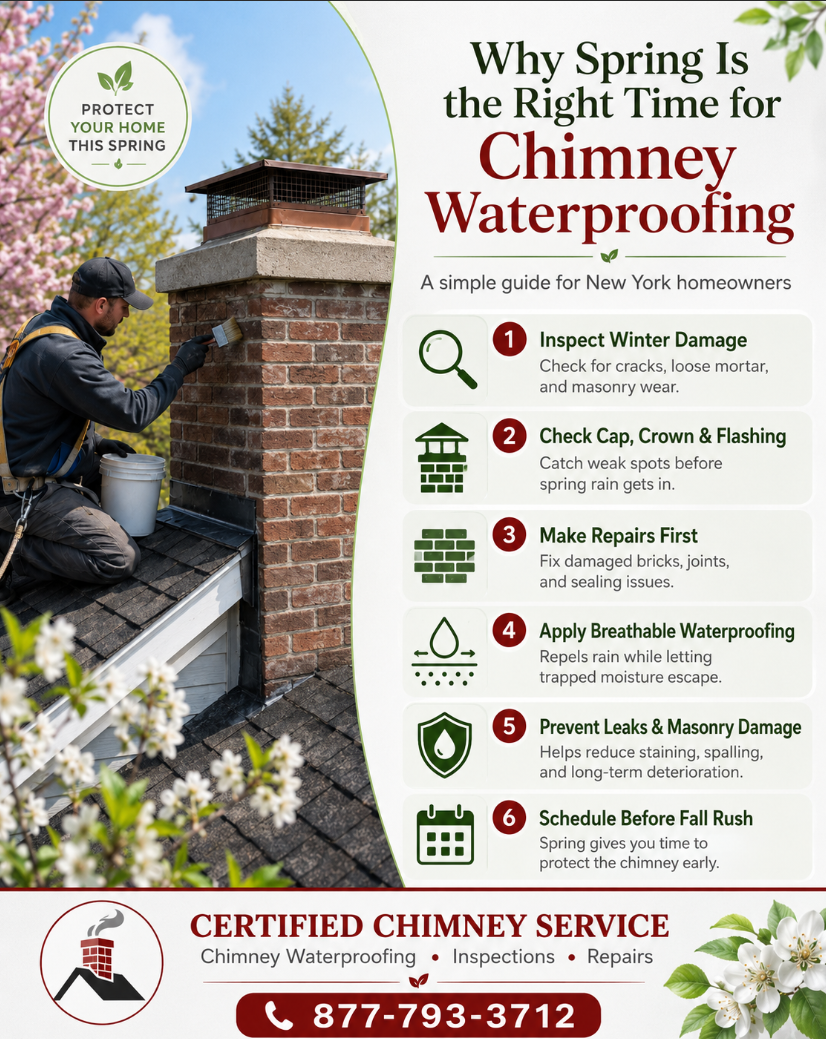
A damaged chimney cap, cracked crown, loose flashing, missing mortar, or visible water stains can mean water has entered the chimney system. Water intrusion can damage the chimney liner, smoke chamber, masonry, and fireplace parts. Storm damage can also loosen caps or push debris into the flue. If the exterior looks damaged before fall, schedule chimney inspection and cleaning together. Cleaning removes buildup, while inspection checks whether chimney repairs, flashing repair, or chimney relining may be needed before the first fire.
Carbon monoxide alarms, carbon monoxide detectors, and smoke detectors are important safety tools. However, they should not be the first warning that the chimney is unsafe. Carbon monoxide leaks can happen when smoke and gases cannot vent properly. Blocked flues, liner damage, poor draft, and appliance venting issues can all create risk. Make sure alarms are working before fireplace season. If an alarm sounds, leave the home and call emergency services. Schedule a professional chimney inspection before you use the fireplace again.
Skipping chimney inspection is risky even if you only used the fireplace a few times. CSIA follows the NFPA 211 Standard, which says chimneys, fireplaces, and vents should be inspected at least once a year for soundness, freedom from deposits, and correct clearances. Seasonal use still creates soot and creosote deposits, and off-season storms or animals can cause new problems. A CSIA Certified chimney professional can use inspection tools to check the flue liner, chimney cap, smoke chamber, firebox, and venting path.
Certified Chimney NY helps New York homeowners get ready for fireplace season. They clean chimneys and sweep them. They inspect chimneys, repair fireplaces, reline chimneys, clean dryer vents, and provide professional cleaning services. Scheduling before the first fall fire gives you time to fix creosote buildup. It also lets you remove animal nests, clear flue obstructions, repair water damage, stop smoke backup, fix carbon monoxide problems, and reduce fire hazards. Request service through Certified Chimney NY to schedule chimney cleaning before the burn season begins.
Get clear answers to common questions New York homeowners have about creosote buildup, chimney cleaning, smoke backup, animal nests, inspections, and preparing the fireplace for fall.
Article details:
Share:
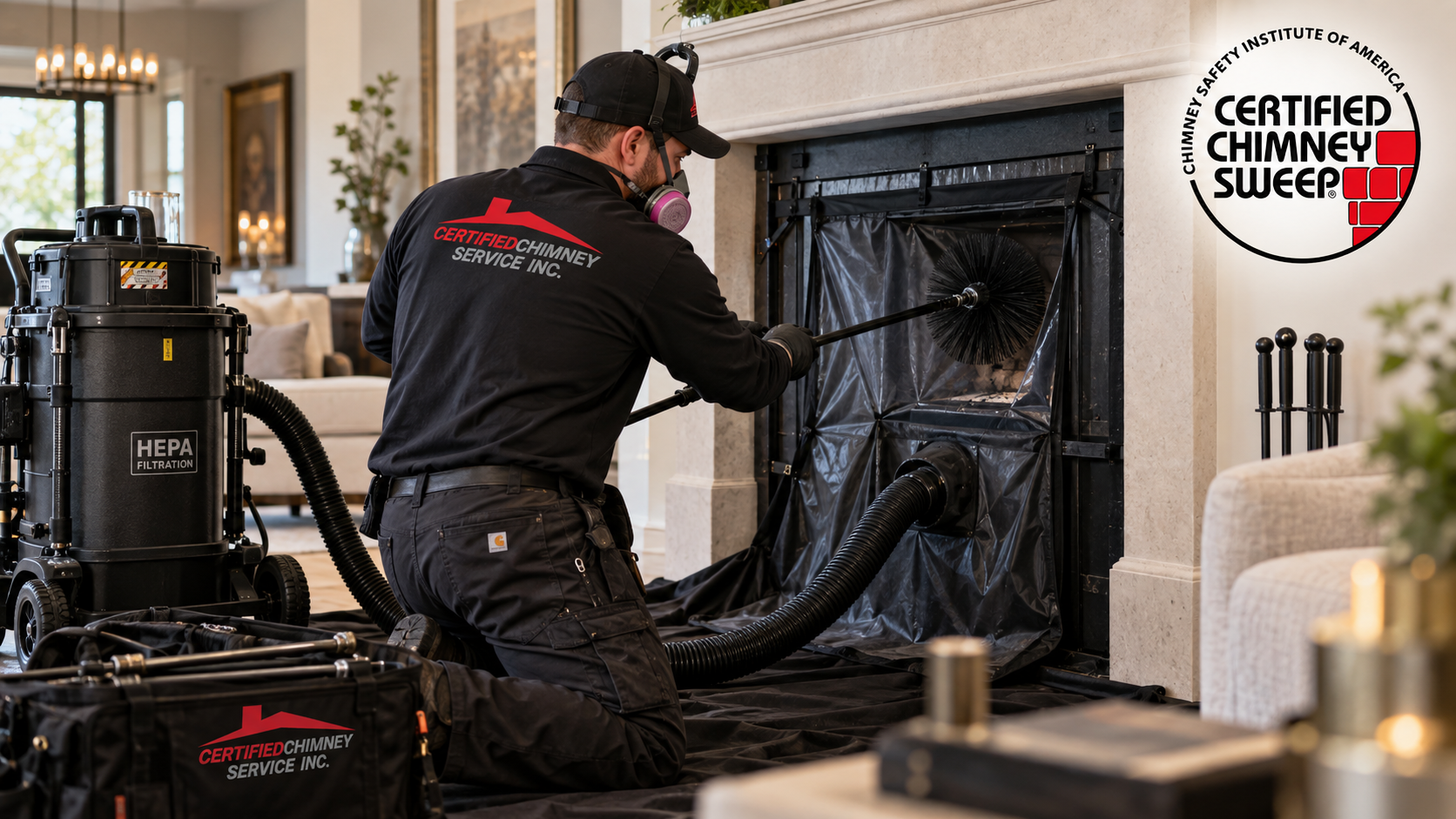
Covers fireplaces, wood stoves, pellet stoves, and heating systems including gas and oil systems. Book now before the winter rush fills our schedule.