
Chimney soot is a fine black residue created during wood combustion inside a chimney system. It forms when fuel does not burn completely, leaving behind carbon particles and particulate matter that stick to chimney flues and liners. Over time, soot mixes with creosote buildup, creating a thicker and more dangerous substance. This matters because soot can enter indoor air and affect your breathing. For homeowners in New York who use fireplaces during cold seasons, soot buildup increases both health hazards and fire risks if not properly managed.
Chimney soot can lower indoor air quality by releasing fine carbon particles into your living space. These particles are small enough to be inhaled deep into the lungs, especially when there are venting issues or a blocked chimney flue. Poor chimney maintenance or a damaged flue liner can cause soot and combustion gases to flow back into the home. According to the United States Environmental Protection Agency, particulate matter air pollution can cause serious respiratory problems. In New York homes that rely on fireplaces, this can lead to ongoing exposure if chimney cleaning is not performed regularly.
Yes, chimney soot can cause respiratory problems, especially with repeated exposure over time. Soot contains ultrafine black carbon particles that can irritate the lungs and trigger respiratory infections. People with asthma or other respiratory diseases are at higher risk because their airways are more sensitive. When soot enters the home due to poor chimney maintenance, it can cause coughing, shortness of breath, and long-term respiratory issues. In colder New York climates where fireplaces are used often, this exposure can build up quickly without proper chimney inspections and cleaning.
Exposure to chimney soot has been linked to several serious health conditions over time. Soot contains polycyclic aromatic hydrocarbons, which are known to damage DNA and increase cancer risk. Studies from the World Health Organization show that air pollution particles are linked to lung cancer, breathing problems, and heart issues.. Long-term exposure can also increase the risk of bladder cancer and other health concerns. For homeowners, this highlights the importance of reducing soot exposure through proper chimney sweeping and maintenance.
People are exposed to chimney soot when particles escape from the chimney flue into the home. This often happens due to creosote buildup, blockages, or damaged chimney liners that prevent proper ventilation. Burning unseasoned wood or using a poorly maintained fireplace insert can also increase soot production. When soot enters the air, it settles on surfaces and can be inhaled or touched. In New York homes, especially older ones, these issues are more common due to aging chimney systems and frequent fireplace use during winter.
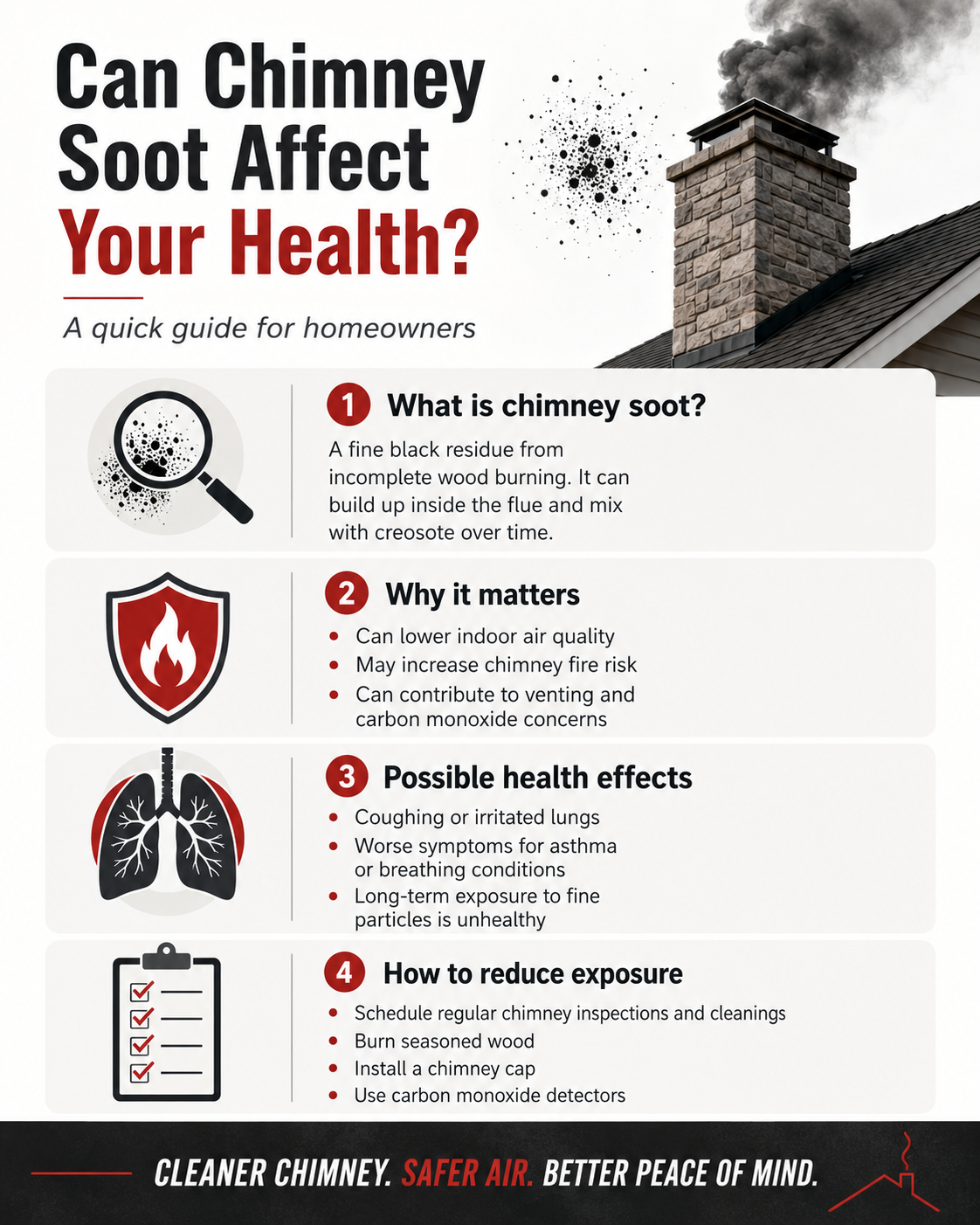
Creosote forms when smoke from wood combustion cools and condenses inside the chimney flue. This sticky substance traps soot and builds up along the walls of chimney liners over time. As creosote buildup increases, it becomes highly flammable and raises the risk of chimney fires. It also contributes to poor airflow, which can push harmful gases like carbon monoxide back into the home. The Centers for Disease Control and Prevention warns that carbon monoxide exposure can lead to serious health effects, making creosote buildup both a fire hazard and a health concern.
Carbon monoxide is a gas you cannot see or smell that forms when fuel does not burn completely in a fireplace or heating system. When a chimney system is blocked or damaged, carbon monoxide can leak into the home instead of venting outside. This exposure can cause symptoms such as headaches, dizziness, confusion, and in severe cases, death. Installing carbon monoxide detectors is essential for early warning. In New York, where heating systems are used heavily in winter, regular chimney inspections help reduce the risk of carbon monoxide poisoning.
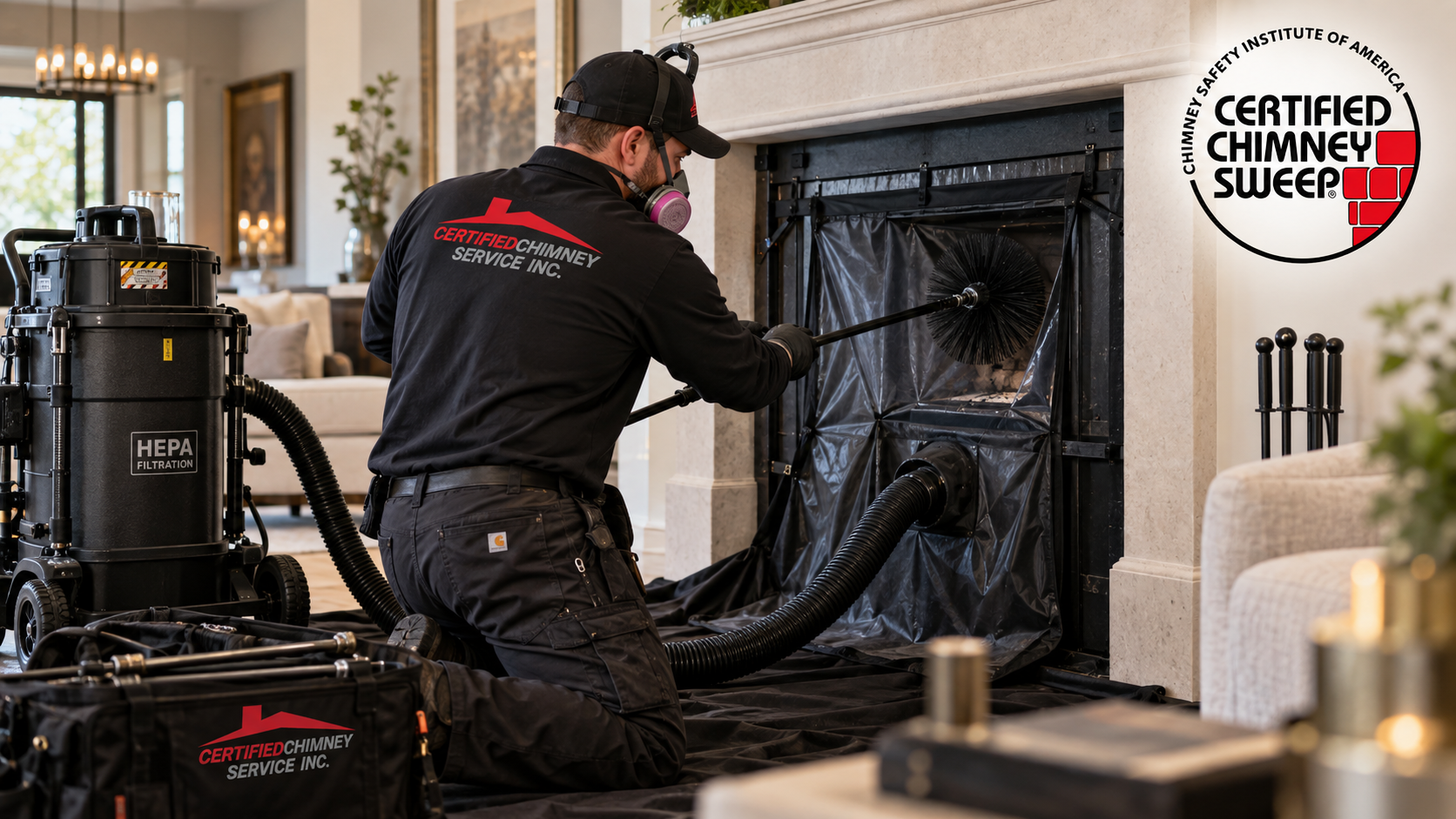
Reducing exposure to chimney soot starts with proper chimney maintenance and regular inspections. Scheduling professional chimney cleaning removes soot and creosote buildup before it becomes dangerous. Using seasoned wood helps reduce soot production during combustion. Installing a chimney cap prevents debris and blockages that can affect airflow. The American Lung Association emphasizes reducing exposure to particulate matter to protect respiratory health. Taking these steps helps improve indoor air quality and keeps your chimney system functioning safely.
Regular chimney cleaning is one of the most effective ways to protect your home from soot-related health hazards. Over time, soot and creosote buildup increase the risk of chimney fires, respiratory issues, and carbon monoxide exposure. Scheduling professional inspections and cleanings helps make sure your chimney flue and liners are working properly. If you want to improve your indoor air quality and reduce safety risks, schedule a professional chimney cleaning service before buildup becomes a serious problem.
Get clear answers to common questions New York homeowners have about chimney soot, indoor air quality, creosote buildup, and chimney cleaning.
Article details:
Share:
Covers fireplaces, wood stoves, pellet stoves, and heating systems including gas and oil systems. Book now before the winter rush fills our schedule.